Vacation Rental House Rules Template: Examples + Free Download

Clear vacation rental house rules stop small guest mix-ups from turning into bad reviews or a fight over your security deposit. Grab our free template and real examples to write rules guests will actually read.
Key Takeaways
- A vacation rental house rules template covers check-in and check-out times, noise levels, guests, pets, smoking, parking, and property-specific instructions so guests know what to expect before they arrive.
- Clear rules cut down on repetitive guest questions, protect your rental property from damage, and give you a documented basis for accountability if something goes wrong.
- Airbnb house rules aren’t a separate legal contract, but they’re enforceable as part of your listing terms and reservation agreement, and Airbnb, Vrbo, and Booking.com all expect hosts to publish them.
- The most effective vacation rental house rules are specific (exact check-out time, exact quiet hours, exact guest limit) rather than vague, and are backed up by a damage deposit or protection policy.
- Automating how you send and enforce them — through triggered messages, a digital house manual, and AI-assisted guest replies — is what actually gets guests to read and follow them.
Whether you manage one romantic honeymoon getaway on the coast or run a full portfolio of vacation rental properties, the fastest way to prevent problems is to set expectations before a single guest arrives. That’s exactly what a good vacation rental house rules template does: it turns “common sense” into a written, referenceable document that protects your rental property, your neighbors, and your guests’ experience — all at once.
In this guide, we’ll walk through exactly what to include in your vacation rental house rules, give you real house rules examples you can copy directly into your own listing, and show you how to communicate them so guests actually read them.
Some vacation rental owners call this a vacation house rules template, a vacation home rules document, or even vacation house rental rules — whatever you call it, it’s the same idea: a written list of expectations for anyone staying at your vacation house or vacation home.

What Is a Vacation Rental House Rules Template?
A vacation rental house rules template is a pre-built document that lists the expectations, restrictions, and instructions a host gives to every guest who books a short-term rental. Think of it as a starting point for your own vacation rental rules. It typically covers check-in and check-out times, noise levels, occupancy limits, pet and smoking policies, parking, and property-specific guidance, giving hosts a reusable starting point instead of writing house rules from scratch for every listing.
Why House Rules Matter for Short-Term Rental Hosts and Guests
House rules aren’t about being strict for the sake of it — they’re a communication tool. For short-term rental hosts managing a vacation rental property (or several), clear rules do a lot of quiet, unglamorous work in the background:
- They protect your property (and other guests). Rules around smoking, pets, parties, and off-limit areas give you a documented basis to hold guests accountable and claim against a damage deposit if something is damaged.
- They save time by reducing guest inquiries. A well-written house manual answers the “what’s the Wi-Fi password” and “what time is check-out” questions before guests even ask.
- They establish professionalism. Detailed, clearly formatted rules signal that you run your vacation rental like a business, not a hobby — which builds guest trust before they’ve even checked in.
- They help maintain good relationships with neighbors. Noise and parking rules specifically exist to keep your short-term rental from becoming the reason a neighbor calls the city.
- They provide a basis for accountability if rules are broken. If a dispute ends up in the Airbnb Resolution Center or a chargeback with Vrbo or Booking.com, your published rules are often the first thing the platform asks to see.
One rule that’s easy to miss: your house rules should never conflict with local laws and restrictions. If your city caps occupancy, restricts short-term rental parking, or has noise ordinances, your rules should mirror those laws, not contradict them. It only takes a few rules, enforced reasonably, to keep both your property and your guests protected.
How Do I Create Airbnb House Rules?
Creating Airbnb house rules, or any custom house rules for your own property, comes down to five steps:
- List every recurring guest question or property-specific quirk. Think about what you’d tell a friend staying at your place: where’s the thermostat, is there a doorman, does the pool close at a certain time.
- Group them into categories. Use the same category structure as your competitors and as this guide — check-in/check-out, general conduct, noise, guests, parties, parking, safety, smoking, pets, appliances, and garbage disposal.
- Write each rule as a short, specific instruction, not a vague statement. “Please be respectful” is not a rule. “No noise after 10:00 PM” is a rule.
- Attach consequences where it matters — an additional fee for extra guests, a specific deposit deduction for smoking inside, or grounds for the reservation to be cancelled for unauthorized parties.
- Finish by adding house rules to your Airbnb listing, your welcome message, and a printed or digital guest guidebook inside the property itself, so guests see them at three different touchpoints. Most hosts find that select house rules — the handful that matter most for their specific property — do more work than a 40-item list nobody reads.
Hosts who implement house rules early — before their first guest ever checks in — spend far less time playing referee later. These aren’t meant to be strict rules for their own sake; think of them as ground rules that make a stay easier for everyone, including you. In practice, a few rules, chosen carefully, go a lot further than a long list nobody reads.
What Are the Rules for Putting Your House on Airbnb?
Beyond the rules you set for guests, Airbnb (and most short-term rental platforms) also has its own rules for hosts listing a property. The same logic applies if you’re looking at Vrbo house rules examples or Booking.com’s host requirements — the specifics vary slightly by platform, but the underlying expectations don’t. Before your rental property goes live, you’ll generally need to:
- Confirm your rental property is legally permitted to operate as a short-term rental in your city or county (check your local short-term rental license and zoning requirements).
- Set an accurate maximum occupancy, and make sure your own rules don’t exceed what your local regulations or insurance policy allow.
- Disclose safety features (smoke detectors, carbon monoxide detectors, fire extinguisher) as required by the platform.
- Publish Airbnb house rules that align with the platform’s own community standards — Airbnb won’t allow rules that discriminate against guests based on its protected categories.
- Set your cancellation policy, security deposit or damage protection terms, and cleaning fee before you accept your first booking.
Getting this right from day one saves you from having to rewrite your listing (and your rules) six months in.
Vacation Rental House Rules Template: What to Include
Below is the full vacation rental house rules template — broken into the sections your rules should cover, with sample language for each one.
1. A Welcome Note for Your Guests
Before you list your rules, open with a short welcome note — ideally sent before guests arrive, not just left on the counter. It softens the tone of everything that follows and makes your rental house rules read like hospitality, not a warning label.
Dear guests, welcome to [rental property name]! We’re so glad you chose to stay with us, whether you’re here for a romantic honeymoon, a family reunion, or a work trip. Below you’ll find our house rules — please take a moment to read them carefully so we can all enjoy a safe and enjoyable experience. If you have any questions before or during your stay, don’t hesitate to reach out.
A good welcome note also restates your emergency contact details and sets clear expectations — what you expect guests to do before checkout — so nobody loses part of their deposit over a misunderstanding.
2. Check-In and Check-Out Rules
Check-in and checkout rules are the most-read section of any vacation rental house rules template, so lead with them and be exact:
- Check-in is after 2:00 PM and check-out is by 10:00 AM (or whatever check-in and check-out times you’ve set).
- Early check-in or late check-out may be available for an additional fee — confirm with your host in advance.
- Guests must return keys, fobs, or access codes according to the check-out rules included in their check-out instructions.
- Please take out the trash and load dirty dishes into the dishwasher before checking out, so the property is ready for the next guest — and for future guests booking right behind them.

3. General House Rules and Cleanliness
Every rental house rules template needs a general-conduct section that covers the basics of how the property should be used and left behind:
- Treat the property with the same respect you’d want shown to your own home.
- Rules about cleanliness: guests aren’t expected to deep-clean before leaving, but dishes should be loaded into the dishwasher, trash should be bagged, and furniture should be returned to its original layout.
- Report any accidental damage immediately — accidents happen, and reporting damage right away is always better for the guest than having it discovered (and disputed) after checkout.
- Please double-check that you have switched off all the lights and other electrical devices before you leave.
4. Restricted or Off-Limit Areas
Identify any restricted areas that are off-limits to guests — a locked owner’s closet, an attic, a garage used for storage, or an electrical panel. Guests should never access cupboards, storage rooms, or utility areas marked as off-limits in the house manual.
5. Damages and Security Deposit
Here’s how a security deposit works and what it covers:
- A security deposit (or damage deposit) is held to cover accidental or intentional damage beyond normal wear and tear.
- Liability for damage isn’t always capped at the deposit amount — significant damage may be billed separately from the rental amount already paid for the stay.
- Guests should read the rules carefully, since violating specific rules (unauthorized pets, smoking indoors, unauthorized parties) is one of the most common reasons hosts make deposit deductions.
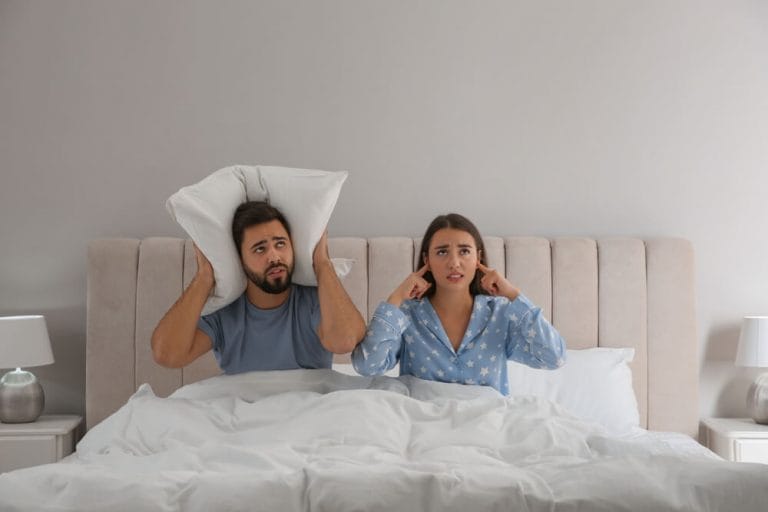
Noise Levels and Neighborhood Etiquette
Noise complaints are one of the fastest ways a vacation rental turns into a headache with the people who live next door — so this section deserves its own space in your rules.
- Quiet hours are typically from 10:00 PM to 9:00 AM (some hosts set the cutoff between 10 PM and 8 AM instead — pick a range and state it exactly).
- Guests should be considerate of neighbors at all times, not just after dark — that means no shouting on the balcony at midnight, and no cars idling on the street at 6 AM.
- Excessive noise complaints from neighbors can result in a warning or, in serious cases, the reservation being terminated without a refund.
- If your property is part of a shared building or HOA, mention it — neighbors near vacation rentals expect a peaceful night’s sleep as much as your guests do.
Extra Guests and Visitors
Vacation rental house rules regarding extra guests and visitors exist to keep your occupancy count accurate for safety, insurance, and neighbor-relations reasons.
- Only the guests listed on the booking may stay overnight.
- Daytime visitors are typically allowed (many hosts cap it at three additional guests), but overnight guests require prior approval and may come with an additional fee.
- The booking guest is responsible for the conduct of any visitors they invite onto the property, including compliance with all other rules.
- No unregistered guests are allowed on the property overnight under any circumstances.
House Rules Regarding Parties and Events
This is one of the most important rental house rules you’ll set, and most hosts land on one of two approaches:
- No parties or events are allowed in the vacation rental, full stop — the safest option if you’re renting a smaller property or one in a residential neighborhood.
- Small gatherings are permitted with prior consent, typically capped at five guests beyond those on the reservation, provided quiet hours and other rules are still followed.
Either way, state your policy explicitly. “No large gatherings” is vague; “no parties or events, including gatherings of the primary guest’s own family members beyond those listed on the reservation” is a rule guests can’t misread.
Parking Instructions for Guests
Parking instructions should tell guests exactly where they can and can’t park:
- Vehicles must be parked only in designated spaces (a driveway, an assigned spot, or a garage — be specific).
- If there’s no dedicated parking, let guests know it’s fine to park on street, and mention any permit or time restrictions.
- Garage access, if available, should come with clear instructions, since it’s often the area hosts most want to block access to for personal storage.
House Rules Regarding Safety
Safety-focused rules protect guests just as much as they protect your property, and they’re worth breaking into their own subsections.
Balconies and Deck Areas
Rules for balconies and deck areas should remind guests — especially those traveling with kids — to supervise children near railings at all times, and to avoid leaning on or climbing over any barrier.
Swimming Pool and Hot Tub Use
If your rental has a swimming pool or a hot tub, spell out the rules for using them:
- Note the specific pool and hot tub hours (many hosts restrict access after dark for safety and noise reasons).
- No glassware or alcohol is allowed near the swimming pool.
- Children should be supervised by an adult at all times when using the pool or hot tub.
BBQ and Other Outdoor Amenities
Rules for using a BBQ and other outdoor amenities should cover start-up and shutdown instructions, where to dispose of ash or charcoal, and any restriction on using the grill during high fire-risk periods.
Kids’ Safety
Vacation rental rules for kids’ safety put the responsibility for supervision squarely on the parent or guardian, while still flagging specific hazards: stairs without railings, unfenced pools, and any furniture that isn’t anchored to the wall.
Security Rules for Your Vacation Rental Property
Round out your safety section with basic security rules:
- Guests must be reminded to lock doors and windows when leaving the property, even for short trips.
- Keep personal belongings out of sight of windows and don’t leave doors propped open.
- In case of emergency, guests should call 911 first, then contact the host or property manager using the emergency contact details provided in your guest guidebook.
- If bad weather is expected, remind guests to close windows and bring outdoor furniture inside — a small rule that prevents a surprisingly common damage claim.
Smoking and Vaping Policy
Clarify your smoking and vaping policies clearly, since this is one of the most commonly violated — and most expensive to remedy — rules:
- Smoking is not permitted anywhere inside the property. Smoking inside typically triggers a deep-cleaning fee deducted from the deposit, and repeat instances of smoking inside can mean eviction from the property.
- If smoking is permitted outdoors, specify the designated area and remind guests not to throw cigarette butts on the ground — used cigarette butts should go in an ashtray or a sealed container instead.
- Vaping should be treated the same as smoking under your rules unless you explicitly state otherwise.
House Rules Regarding Pets
Pet policies need to be some of your most detailed rules, since they cover both guest expectations and property protection:
- Specify allowed pets and any associated fees or restrictions — some hosts allow up to two dogs under a certain weight limit, others don’t allow pets at all unless specified in the house rules.
- Please don’t allow your pet onto any furniture, and clean up after your pet both indoors and in any outdoor or children’s play area.
- Pet rules should clarify weight limits and cleanup responsibilities so there’s no ambiguity about what “pet-friendly” actually means at your property.
- A pet fee is common, and it’s worth stating clearly whether it’s per stay or per pet.
Appliance Guidelines for Guests
Appliance rules encourage energy conservation and prevent avoidable maintenance calls:
- Guests should use the air conditioning and thermostat responsibly — leaving the air conditioning running with every window open is one of the most common reasons utility costs run high between guests.
- The washer, dryer, and dishwasher should be used according to the instructions posted in your guest guidebook.
- Please don’t reset or reconfigure the Wi-Fi router — if there’s an issue, guests should contact the host directly.
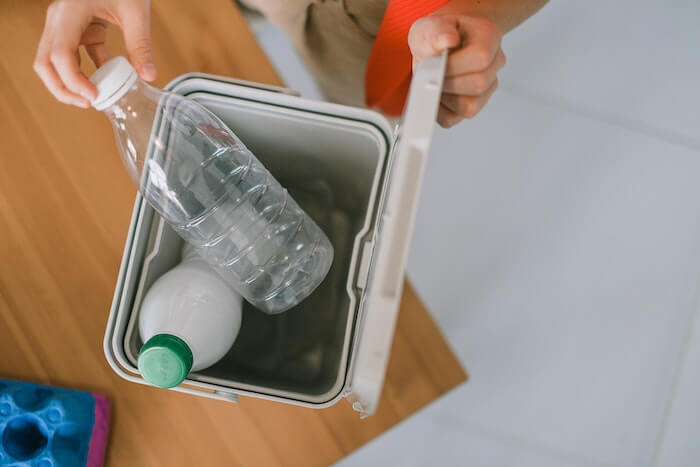
Garbage and Recycling Guidelines
Trash and recycling rules are a small detail that make a big difference for the next guest and for local waste collection requirements:
- Any paper waste should be placed in the green recycling bin, and food waste and general trash should go in their designated bins.
- Sanitary products and wipes should never be flushed down the toilet — this single rule prevents a huge share of plumbing service calls at vacation rentals.
- Guests must take out the trash before checking out so the property is ready and odor-free for the next guests.
Compliance: What Happens if a Guest Breaks Your House Rules?
Violating your house rules is generally treated as a breach of the reservation, not just an inconvenience — and it should say so directly. A typical compliance clause reads something like: “Failure to comply with these rules constitutes a breach of your reservation agreement. The host reserves the right to end the stay without a refund in cases of serious or repeated violations.”
In practice, what happens if an Airbnb guest breaks house rules usually follows a pattern:
- A warning or clarification request for a first, minor violation (an extra unregistered visitor, a late check-out).
- A fee or deposit deduction for damage, repeated smoking inside, or unauthorized pets.
- Reservation termination for serious or repeated violations, following the platform’s own escalation process — this is rare, but your rules should make clear it’s on the table.
Always invite guests to reach out with clarification requests before assuming bad intent — most rule violations come from guests who genuinely didn’t read them, not guests trying to break them.
Are Airbnb House Rules Legally Binding?
Airbnb house rules aren’t a standalone legal contract in the way a lease is, but they are enforceable as part of the reservation agreement a guest accepts when they book. When a guest confirms a reservation, they’re agreeing to the listing’s terms — including its rules — alongside the platform’s own terms of service. That means:
- Airbnb, Vrbo, and Booking.com can all use a host’s published rules as evidence in a dispute, chargeback, or Resolution Center claim.
- A deposit deduction for a broken rule is far easier to justify — and far more likely to be upheld — if the rule was clearly published before the guest booked.
- House rules should not conflict with local laws and restrictions; a rule that violates local housing, fire, or safety codes won’t hold up even if a guest agreed to it.
For rentals where you want something with more legal weight than platform rules — for example, a longer stay or a higher-value property — pairing your house rules with a formal vacation rental agreement or an Airbnb rental agreement gives you an extra layer of protection.
Sample House Rules You Can Copy
Here’s a condensed sample house rules list, pulled directly from the sections above, that you can adapt for your own vacation rental house rules template:
- Check-in is after 2:00 PM; check-out is by 10:00 AM.
- Quiet hours are from 10:00 PM to 9:00 AM — please be considerate of our neighbors.
- Maximum occupancy is [X] guests; unregistered overnight guests are not permitted.
- No parties or events are allowed on the property.
- Smoking is not permitted anywhere inside the property.
- Pets are not allowed unless specified in the listing, and pet owners must clean up after their pets.
- Please park only in the designated parking space provided.
- Please take out the trash and load the dishwasher before checking out.
- Please lock all doors and windows when leaving the property.
- Report any accidental damage to the host immediately.
Where to Place Your Vacation Rental House Rules
These rules only work if guests actually see them — so display them in more than one place:
- In the listing itself, before a guest books.
- In your automated welcome message, sent the moment a reservation is confirmed.
- In a printed or digital house manual left visibly on the kitchen counter or coffee table.
- Displaying house rules in common areas — the entryway, the kitchen, and near the Wi-Fi password — increases visibility without guests having to go looking for them.
Using a digital format for house rules (a QR code linking to a digital guidebook, for example) can enhance guest engagement further, since most guests will always have their phone closer than a printed binder.
How iGMS Helps You Enforce and Automate Your House Rules
Writing a great vacation rental house rules template is only half the job — getting guests to actually read it is the other half, and that’s where most hosts struggle once they’re managing more than one property. iGMS is built to close that gap for hosts and property managers who want automation without giving up control.
With iGMS, you can:
- Send your house rules automatically. Use automated templates and triggered messaging to deliver them the moment a reservation is confirmed, again before check-in, and one more time on the morning of check-out — no manual copy-pasting required.
- Host a digital guest guidebook. Build a vacation rental welcome book guests can access from their phone, covering your rules, Wi-Fi details, and local recommendations in one place.
- Let AI handle rule-related questions. iGMS’s AI Agent (available on the Pro+ plan) can answer guest questions about check-in, checkout rules, noise policies, or the deposit amount automatically, using your property’s own rules as context — so you’re not manually retyping the same answer for the tenth time this month.
- Manage every property’s house rules from one dashboard. If you manage multiple properties, iGMS’s Channel Manager keeps your rules, check-in instructions, and messaging templates synced across Airbnb, Vrbo, and Booking.com, so nothing falls out of date on one channel while you update another.
- Protect yourself financially. Pair your house rules with a documented security deposit policy and cleaning fee structure, both trackable inside iGMS.
See How It Works — Book a Free Demo
Frequently Asked Questions
How do I create Airbnb house rules?
List every recurring guest question and property-specific instruction, group them into categories (check-in/check-out, noise, guests, parties, parking, safety, smoking, pets), write each one as a specific instruction rather than a vague statement, and publish your Airbnb house rules in your listing, your welcome message, and a house manual inside the property.
What are the rules for putting your house on Airbnb?
Beyond guest-facing house rules, hosts need to confirm their rental property is legally permitted to operate as a short-term rental, set an accurate occupancy limit, disclose required safety features, and make sure their rules don’t conflict with the platform’s own community standards or local laws.
Are Airbnb house rules legally binding?
Airbnb house rules aren’t a standalone contract, but they’re enforceable as part of the reservation agreement a guest accepts when booking, and platforms can use them as evidence in disputes — as long as the rules don’t conflict with local laws and restrictions.
What happens if an Airbnb guest breaks house rules?
Most hosts follow an escalation pattern: a warning or clarification request for a minor first violation, a fee or deposit deduction for damage or a more serious violation, and reservation termination for repeated or severe violations — following the platform’s own dispute process.

Final Thoughts
A vacation rental house rules template isn’t just paperwork. It’s the single easiest way to prevent the guest problems that eat up a host’s time: noise complaints, disputed deposits, unauthorized pets, and parties nobody approved. Write them once, make them specific, and then let automation do the work of actually getting them in front of every guest, every time.
If you’re managing more than a couple of properties, doing that manually stops scaling fast. That’s exactly the gap iGMS is built to close — automated messaging, a digital guest guidebook, AI-assisted guest replies, and a single dashboard for every channel your rental property is listed on.